
The Day Music Changed the World: Remembering Live Aid
The Day Music Changed the World: Remembering Live Aid
On July 13, 1985, the world witnessed an unprecedented event. For 16 hours, music royalty from both sides of the Atlantic came together for a single cause. This was Live Aid, a monumental benefit concert that captivated a global audience and set a new standard for philanthropy. Broadcast live from London's Wembley Stadium and Philadelphia's John F. Kennedy Stadium, it was more than just a concert; it was a powerful demonstration of music's ability to inspire global change.
From a News Report to a Global Stage
The story of Live Aid begins with a heartbreaking BBC news report in late 1984. Musician Bob Geldof, frontman of The Boomtown Rats, was deeply moved by the footage of widespread famine in Ethiopia. He felt compelled to act. His initial plan was to create a charity single. Along with Midge Ure of Ultravox, he co-wrote "Do They Know It's Christmas?" and gathered some of the biggest names in British and Irish music to record it under the name Band Aid.
The single was a massive success, becoming the UK's fastest-selling single of all time and raising millions for famine relief. But Geldof knew more was needed. This inspired the ambitious idea for Live Aid: a "global jukebox" that would use the power of live music to raise funds and, just as importantly, worldwide awareness.
Two Stages, One Planet
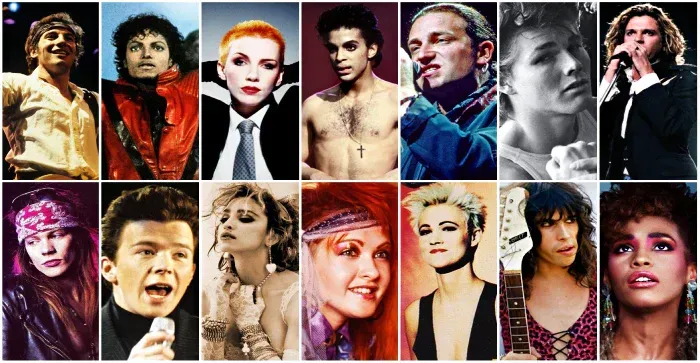
The scale of Live Aid was staggering. The dual-venue concert ran simultaneously, linking London and Philadelphia via satellite. The lineup was a who's who of 1980s music icons. The London stage at Wembley featured electrifying performances from artists like U2, David Bowie, Elton John, and The Who. However, it was Queen's 20-minute set that is widely regarded as one of the greatest live performances in music history. Freddie Mercury's command of the 72,000-strong crowd was simply masterful.
Across the ocean in Philadelphia, the energy was just as high. The American stage hosted legends such as Bob Dylan, Mick Jagger, Tina Turner, Madonna, and a reunited Led Zeppelin. The broadcast reached an estimated 1.9 billion people in 150 countries, nearly 40% of the world's population at the time. For one day, humanity was united by a shared sense of purpose and an incredible soundtrack.
The Lasting Impact of Live Aid
Live Aid's immediate impact was financial. The event raised over $127 million (the equivalent of more than $300 million today) for famine relief in Africa. These funds provided direct aid, including food, medicine, and support for long-term development projects. The concert succeeded in its mission to save lives and offer hope to millions.
Beyond the money, the concert's cultural significance cannot be overstated. It brought the crisis in Ethiopia into living rooms around the globe, creating an unparalleled level of awareness. It proved that musicians could be powerful advocates for social causes, using their platform to mobilize public opinion and inspire action. Live Aid effectively created the blueprint for future large-scale charity events, from Farm Aid to the Live eight concerts that followed 20 years later.
A Legacy of Music and Hope
Decades later, the legacy of Live Aid endures. It stands as a pivotal moment when the music industry harnessed its collective power for a humanitarian cause. The event demonstrated that ordinary people, moved by music and a common goal, could make an extraordinary difference.
Live Aid was a testament to the power of unity, compassion, and rock and roll. It remains a shining example of what we can achieve when we come together, reminding us that a song can do more than entertain; it can inspire a generation and truly change the world.