
Neon Lights and Laugh Tracks: The Iconic TV Shows That Defined the 1980s
If you close your eyes and think of the 1980s, what comes to mind? Maybe it’s the hum of a synthesizer, the smell of hairspray, or the neon glow of a shopping mall arcade. But for many of us, the 80s were defined by the warm flicker of a cathode-ray tube television set in the living room. It was the last golden age of broadcast dominance, a time before streaming algorithms fragmented our attention, when 30 million people would tune in simultaneously to find out who shot J.R.
Television in the 1980s wasn't just entertainment; it was a communal event. The shows of this decade were bold, colorful, and unapologetically ambitious. From the pastel suits of Miami cops to the polished banter of Boston bar patrons, let’s rewind the tape and explore the series that shaped a generation.
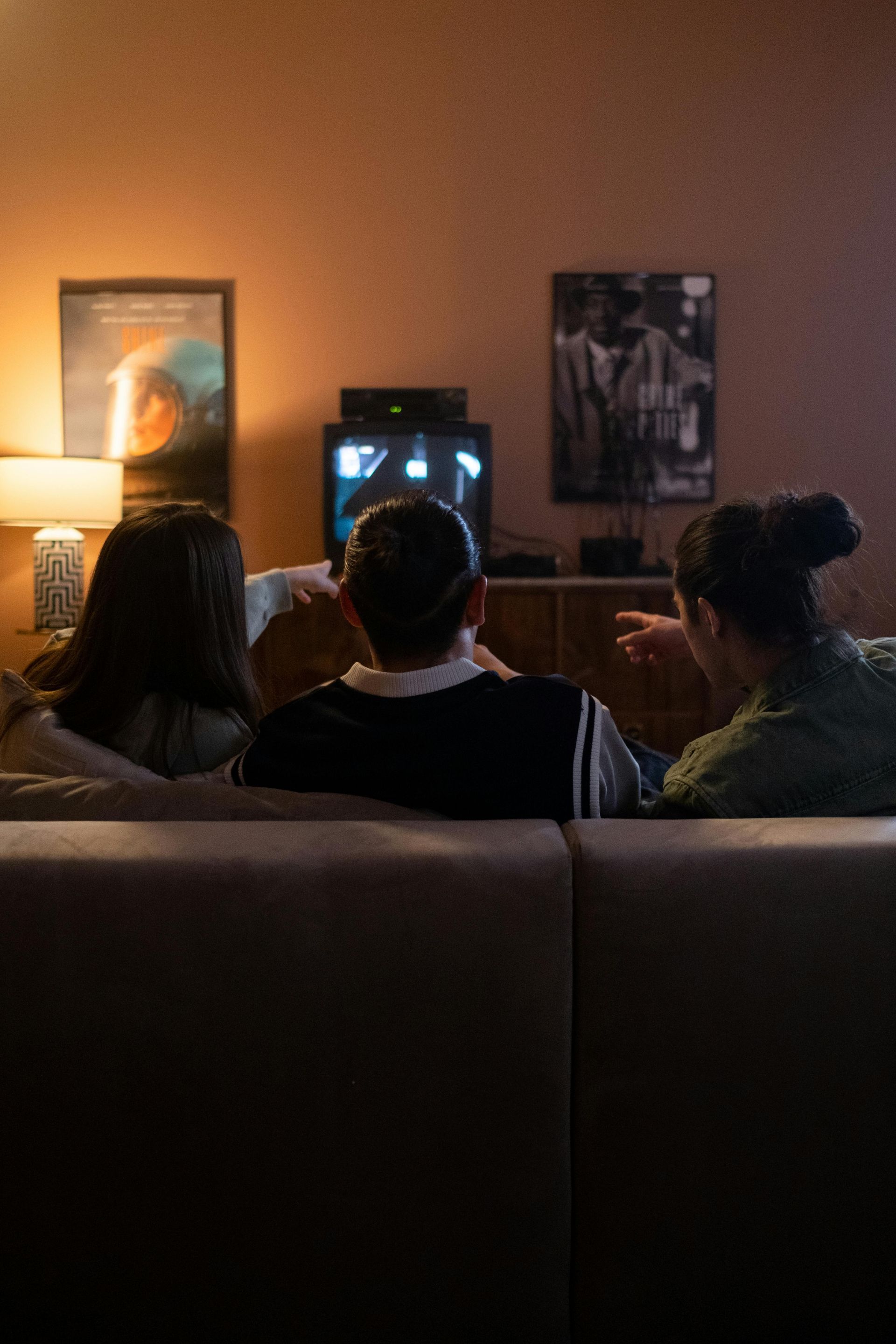
The Sitcom Renaissance: Family and Friends
While the 70s gave us gritty realism, the 80s returned to the comfort of family—but with a twist. The sitcoms of this era were sharper, warmer, and arguably more influential than anything that came before.
The Cosby Show: Reviving the Genre
No discussion of 80s TV is complete without acknowledging the sheer dominance of The Cosby Show. Premiering in 1984, it almost single-handedly revived the sitcom format, which critics had declared dead. The Huxtables were an upper-middle-class African American family living in Brooklyn, dealing with universal parenting struggles rather than stereotypical "issue-of-the-week" plots.
Its impact was seismic. For five consecutive seasons, it was the number-one show in America. It normalized success for Black families on television and paved the way for future series like
Black-ish. While the show’s legacy is now complicated by the personal history of its star, its cultural footprint during the decade was undeniable. It made oversized sweaters a fashion statement and Thursday nights “Must See TV.”
Cheers: The Place Everybody Knew
While the Huxtables were handling homework disputes, a very different family was forming in a basement bar in Boston. Cheers (1982–1993) perfected the ensemble comedy. It wasn't about blood relatives; it was about the family you choose (or get stuck with while drinking beer).
The "Sam and Diane" dynamic created the blueprint for the "will-they-won't-they" trope that nearly every modern sitcom still uses. But beyond the romance, Cheers resonated because it felt like a sanctuary. In a decade obsessed with wealth and status, here was a place where a postal worker (Cliff Clavin) and a psychiatrist (Frasier Crane) stood on equal footing. It was comfort food for the soul, proving that smart writing and sharp wit didn't need flashy sets to succeed.
Style Over Substance? The Action Dramas
If sitcoms were the comfort food, action dramas were the sugary energy drinks. The 1980s introduced a visual flair to television that mirrored the glossy aesthetic of MTV music videos.
Miami Vice: Cop Show Cool
Nothing screams "80s" quite like Miami Vice. Premiering in 1984, it was famously pitched by NBC executive Brandon Tartikoff with two words written on a napkin: "MTV Cops." The show delivered exactly that.
Sonny Crockett (Don Johnson) and Ricardo Tubbs (Philip Michael Thomas) didn't just solve crimes; they looked incredible doing it. The show traded gritty police procedural aesthetics for pastel T-shirts under Armani jackets, loafers without socks, and a soundtrack featuring Phil Collins and Glenn Frey.
Miami Vice changed how TV looked. It utilized color, lighting, and music in cinematic ways previously reserved for feature films. It wasn't just a show; it was a mood board for the entire decade. It influenced men’s fashion globally and proved that style could be just as important as the script.
Magnum, P.I.: The Charm of Oahu
While Miami had the cool, Hawaii had the charm. Magnum, P.I. (1980–1988) made Tom Selleck a household name and his mustache a national treasure.
Unlike the stoic detectives of the past, Thomas Magnum was relatable. He was a Vietnam vet who lived in a guest house, drove a Ferrari he didn't own, and constantly owed his friends favors. The show balanced sunny escapism with surprisingly deep emotional beats, often touching on the lingering trauma of the Vietnam War in a way few other shows dared. It was action-packed, yes, but it was anchored by a vulnerability that made audiences root for Magnum week after week.
The Age of Excess: Prime Time Soaps
The 1980s was the "Me Decade," an era characterized by Wall Street wealth and conspicuous consumption. Television mirrored this obsession with the super-rich through the explosion of prime-time soap operas.
Dynasty: Shoulder Pads and Slap Fights
If you wanted to see how the other 0.01% lived (and fought), you watched Dynasty (1981–1989). Created to compete with Dallas, it took the concept of the wealthy oil family and dialed the camp up to eleven.
The rivalry between Krystle Carrington (Linda Evans) and Alexis Colby (Joan Collins) became legendary. Their catfights—often involving lily ponds or smashed vases—were event television. But Dynasty was more than just fighting; it was a fashion show. The costume budget was astronomical, featuring Nolan Miller gowns and massive shoulder pads that became the silhouette of female power in the 80s corporate world. It celebrated excess at a time when "greed was good," offering pure, unadulterated escapism.
Dallas: Who Shot J.R.?
Although it premiered in the late 70s, Dallas owned the early 80s. The "Who Shot J.R.?" cliffhanger, resolved in November 1980, remains one of the highest-rated broadcasts in TV history. It proved that a serialized drama could capture the entire world’s attention. J.R. Ewing was the villain we loved to hate—a ruthless oil baron who represented American capitalism in its rawest form.
The Unlikely Heroes
Not every hit show fit neatly into a genre box. The 80s were weird enough to embrace concepts that sound ridiculous on paper but worked magically on screen.
The Golden Girls: Ageless Comedy
Who would have thought a sitcom about four older women living in Miami would become a cultural juggernaut? The Golden Girls (1985–1992) defied ageism in Hollywood. Dorothy, Rose, Blanche, and Sophia talked about dating, sex, aging, and illness with a frankness that was revolutionary.
The writing was razor-sharp, and the chemistry was electric. They proved that life—and laughter—didn't end at 50. Even today, the show remains a viral sensation, resonating with Gen Z audiences just as much as it did with their grandparents.
MacGyver: Brains Over Brawn
In an era of Rambo-style violence, MacGyver (1985–1992) offered a different kind of hero. Angus MacGyver refused to carry a gun. Instead, he used his knowledge of science (and a Swiss Army knife) to engineer his way out of trouble.
He could stop an acid leak with chocolate bars or build a bomb defuser out of a paperclip. The show celebrated intellect and problem-solving, introducing the term "MacGyvering" into the lexicon. It was a refreshing counter-narrative to the "shoot first, ask questions later" mentality of other action shows.
The Lasting Legacy of 80s TV
Looking back, television in the 1980s was a mirror of the decade itself: ambitious, slightly excessive, but deeply optimistic. These shows didn't just entertain us; they gathered us together.
The influence of this era is everywhere in modern television. You see the DNA of Cheers in The Office and Parks and Recreation. The serialized drama of Dallas paved the way for The Sopranos and Succession. The visual style of Miami Vice echoes in shows like Euphoria.
We often look back at the 80s with a sense of irony, laughing at the big hair and the synthesizers. But the storytelling fundamentals established during this decade were serious business. These shows built characters we cared about and worlds we wanted to live in. They taught us that a bar could be a home, that four retirees could be roommates, and that you really should check who you're opening the door for if you're an oil baron in Texas.
Further Reading
If you’re feeling nostalgic and want to dive deeper into the golden age of the 80s, consider these next steps:
- Streaming Classics: Most of these series are available on major streaming platforms like Hulu, Peacock, or Paramount+.
- Behind the Scenes: Look for oral histories or documentaries about the "Must See TV" era of NBC.
- Fashion Rewind: Explore how costume designers like Nolan Miller (Dynasty) influenced real-world fashion trends that are currently making a comeback.
Television may have changed, but the impact of the 1980s is still broadcasting, loud and clear.