
How Music Videos Rewired Our Brains in the 1980s
Before the 1980s, music was an experience primarily for the ears. We discovered new songs on the radio, bought albums based on a favorite single, and let our imaginations fill in the blanks. Then, something revolutionary happened. Music learned to see. With the launch of channels like MTV in the United States and MuchMusic in Canada, a new era dawned, and the music video became a cultural force that changed not just how we consumed music, but what music became popular.

The Rise of the Visual Soundtrack
The premise was simple: a 24/7 television channel dedicated entirely to playing music videos. For the first time, artists weren't just heard; they were seen in cinematic, three-to-five-minute bursts of creativity. These channels became the new radio, turning living rooms into virtual concert halls and tastemakers out of VJs. A song's success was no longer solely dependent on radio airplay or record sales. Heavy rotation on MTV or MuchMusic could launch a song into the stratosphere.
This new visual medium gave artists a powerful platform. It was a chance to build a brand, create a persona, and tell a story that went far beyond the lyrics. The visual aesthetic of a video became as important as the song's melody. Artists with a strong visual identity and a knack for creating compelling videos found themselves with a significant advantage. The look, the fashion, and the attitude suddenly mattered more than ever.
Storytelling and Spectacle
The 80s were the golden age of the music video as a mini-movie. Michael Jackson’s "Thriller" is the ultimate example. Its 14-minute runtime, complete with a plot, choreography, and movie-quality special effects, transformed the music video from a simple promotional tool into an art form. It wasn't just a video for a song; it was a global event that cemented Jackson's status as the King of Pop.
Similarly, A-ha’s "Take On Me" captivated audiences with its groundbreaking rotoscoping animation, blending a real-world love story with a comic-book fantasy. The video was so unique and memorable that it made the song an international sensation. Peter Gabriel's "Sledgehammer" used inventive claymation and stop-motion animation to create a surreal and playful visual feast that perfectly complemented the song's quirky energy. These videos weren't just advertisements for the music; they were the experience.
Shaping Culture and Defining Stars
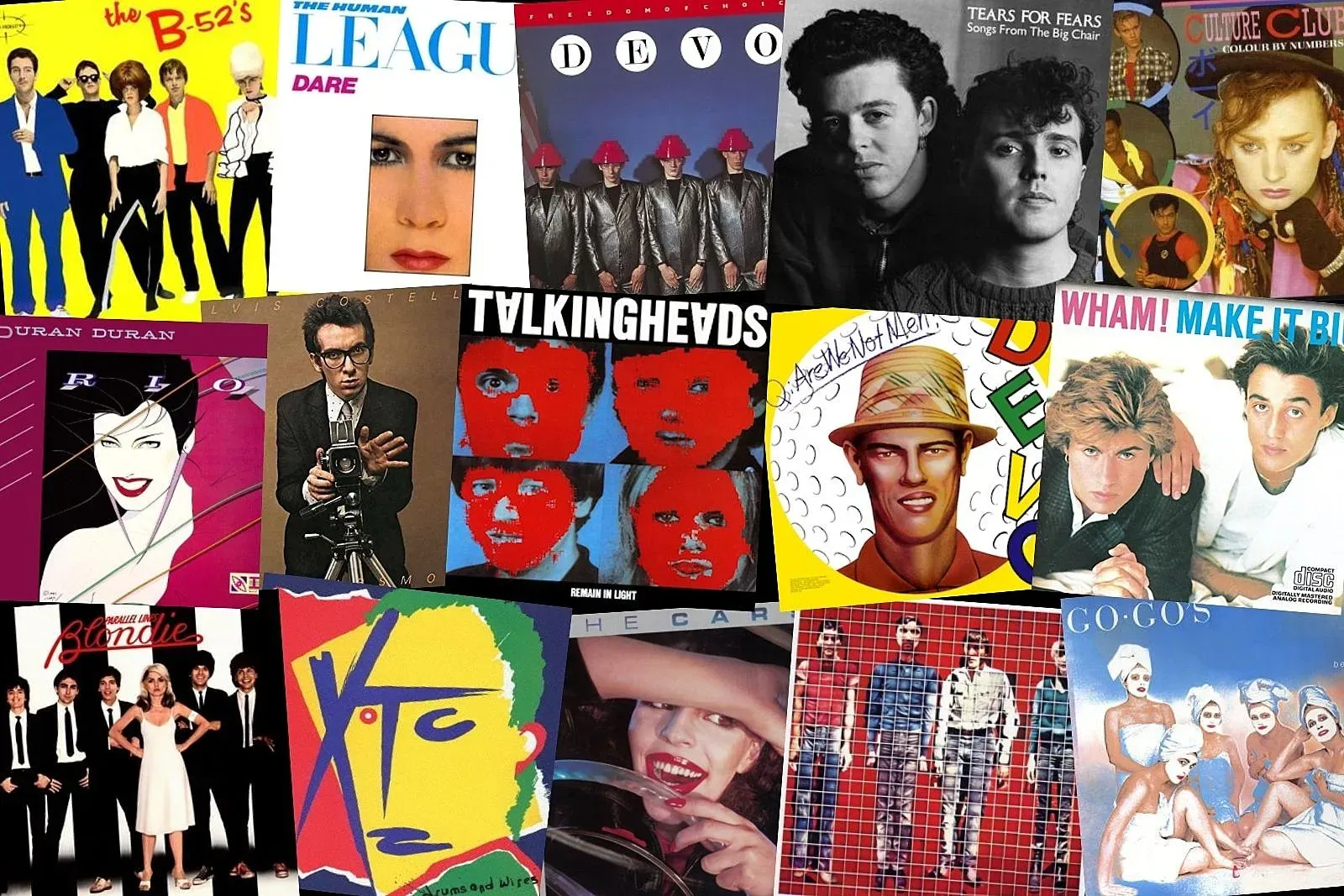
This visual-first approach had a massive impact on the charts. Bands like Duran Duran, with their exotic, film-like videos for songs like "Rio" and "Hungry Like the Wolf," crafted an image of international glamour that fans couldn't get enough of. Their success was inextricably linked to their mastery of the music video format.
Madonna became a master of reinvention, using her videos to push boundaries and create iconic fashion moments. From the wedding dress in "Like a Virgin" to the burning crosses in "Like a Prayer," her videos generated conversation and controversy, keeping her at the center of the cultural zeitgeist. The visual narrative was just as important as the music itself, and it helped define her as more than just a singer, but a cultural icon.
Looking back, the 1980s represent a pivotal moment when music and visuals merged to create something entirely new. The music video didn't just sell songs; it sold an image, a story, and a feeling. It turned musicians into movie stars and living rooms into front-row seats for the greatest show on Earth, leaving a vibrant, neon-colored legacy that still influences art and media today.